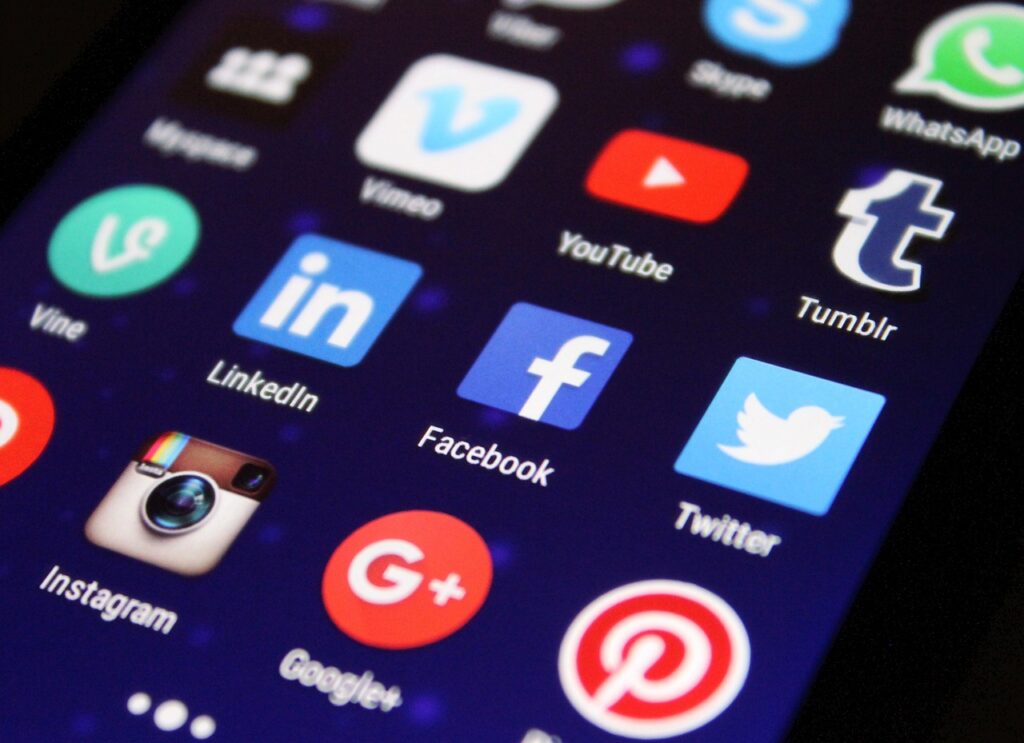
Many new business owners fall into the trap of relying on social media alone to run their online presence. And at first glance, it makes sense: social platforms are easy to set up, free to use, and where your customers already spend time.
But here’s the truth that many business owners eventually learn the hard way: Social media is not a replacement for a professional website. Instead, the strongest, most trusted brands use both—each playing a unique and powerful role.
If you want your business to grow, earn trust, and stand out from competitors, a website isn’t optional. It’s fundamental.
Here’s why your small business needs more than just social media:
1. A Website Gives Your Business Legitimacy That Social Media Can’t Match
Consumers are increasingly skeptical. Before they spend money, they often ask:
- Is this a real business?
- Can I trust them?
- Where are they located?
- Do they have real contact information?
A website answers all those questions instantly.
While anyone can create a social media account in five minutes, a website signals:
- You’re a serious business
- You’re established
- You are accountable
- You care about your brand
- You plan to be around long-term
Social media may pique interest—but your website is what solidifies credibility.
2. You Own Your Website… But You Don’t Own Your Social Media Accounts
This is one of the biggest risks that small businesses overlook.
On social media:
- Your account can get suspended without warning
- Your reach can drop when algorithms change
- You don’t control platform decisions
- You’re competing with thousands of distractions
Your website, on the other hand, is yours to control:
- The content
- The branding
- The customer journey
- The experience
Think of your website as digital real estate you control—while social media is borrowed space that you have only minimal control over.
3. Your Website Helps You Rank on Google (Social Media Has Less Impact)
Nearly all buying journeys start the same way: a Google search.
If you don’t have a website, your business is far less visible in search results than your competitors that do have websites. Potential customers may never even know you exist.
A website lets you:
- Appear on Google and other search engines
- Target local searches (“coffee shop near me”)
- Show up when customers search for your services
- Build long-term organic traffic
- Use SEO to reach more people over time
Social media profiles do show in search results, but specific posts generally do not. This severely limits the visibility of your most important social content, if social posts are what you’re relying on to convert visitors to customers.
4. A Website Lets You Control the Customer Experience
Social media feeds are cluttered and distracting by design. Feeds are filled with ads, notifications, and competing content. You don’t get to control the experience and have little control over how customers interact with your brand.
On your own website, you can guide visitors through a clear, intentional experience:
- Hero message
- Featured services
- Testimonials
- Pricing
- Calls to action
- Contact forms
- Online ordering
- Booking or scheduling
Your website gives you a chance to shape the story—not fight for attention in a feed.
5. A Website Builds Brand Recognition
Your brand deserves its own home. On a website, your business can have:
- Your brand colors
- Your logo
- Your design style
- Your tone of voice
- Your unique visuals
- Your layout and structure
Social media limits what you can customize—every page looks like the platform, not your business. A website lets your brand feel memorable, professional, and visually consistent.
6. Websites Convert Visitors Into Customers More Effectively
Social media is great for awareness—it gets people’s attention. But websites are better for conversion—turning that attention into revenue.
Your website can include:
- Clear calls to action
- Booking tools
- Checkout processes
- Lead forms
- Detailed service pages
- FAQs
- Testimonials
- Case studies
These elements build confidence and help customers make a buying decision.
7. Social Media + Website = The Most Effective Marketing Strategy
The goal isn’t to choose between the two—it’s to let them work together.
Social media helps you:
- Build an audience
- Stay visible
- Share updates
- Show personality
- Engage with followers
Your website helps you:
- Present your business professionally
- Capture leads
- Convert customers
- Rank on Google
- Host long-form content
- Act as the official source of information
When paired together, your business can be visible everywhere your customers look.
8. A Website Future-Proofs Your Business
Social platforms rise and fall.
Think about:
- MySpace
- Vine
- Google+
- Tumblr
- Algorithm changes that crush organic reach
Trends come and go—but your website stays.
Your website gives your business stability and ensures you can still be found even if the social platforms change or disappear.
Final Thoughts: Social Media Is Important—But It’s Not Enough
Social media may be where customers discover you, but your website is where customers learn to trust you. You need both, so if you have your start on social media, it’s time to get crackin’ on your website!
Need help?
Here at Roost Web Strategies, our mission is to help you build a solid web strategy, determine the best solution for your needs and budget, & make certain that you are comfortable executing your strategy after launch. If you need help with your web strategy, just reach out!