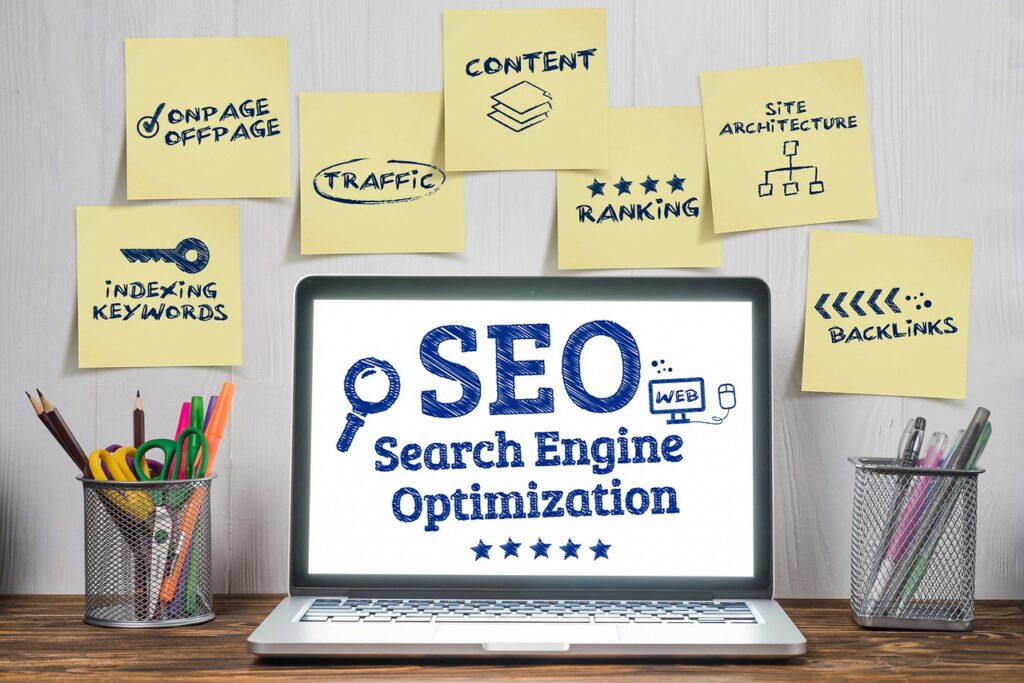
If you have a business website but hardly anyone is finding it through Google, you’re not alone—and you’re not out of luck. Many small business owners invest in a website but forget one of the most important steps: optimizing it for search engines. That’s where something called on-page SEO comes in.
Don’t worry if you’ve never heard of it. This post will walk you through what it is, how it works, and why learning a little SEO can go a long way in growing your business.
What Exactly Is SEO?
SEO stands for Search Engine Optimization, which is a fancy way of saying: helping your website show up on Google when people search for things you offer. When someone types in “best dog groomer near me” or “emergency plumbing services,” search engines use complex formulas to decide which websites to show first. SEO helps your business show up in those results—and on-page SEO focuses specifically on what’s happening on your website.
What Is On-Page SEO?
On-page SEO includes all the things you can control on your actual website pages to help search engines understand what you do, where you do it, and why your website is a good match for someone’s search. This includes things like your page titles, keywords, image descriptions, headings, and even how fast your pages load.
If your website doesn’t give search engines (and customers) the right information in the right places, you’ll struggle to rank—even if your services are amazing.
Why On-Page SEO Matters for Small Businesses
Most of your customers are searching online before they make a purchase or schedule a service. If your business doesn’t show up in those search results, they’ll end up on your competitor’s website instead. On-page SEO helps your site become visible to those potential customers, exactly when they’re looking for what you sell.
This kind of visibility is one of the most valuable marketing tools a small business can invest in—and it’s far more affordable and sustainable than running ads long-term.
SEO Is a Long-Term Investment (With Big Returns)
One of the best things about SEO is that it keeps working in the background—without paying for ads. While paid advertising stops the moment your budget runs out, good SEO can keep bringing people to your website for weeks, months, or even years after you make the changes.
When your site is properly optimized, you’re building a strong foundation for long-term traffic and customer growth.
Train Your Team to Write With SEO in Mind
If you have a team member (maybe that’s YOU?) who helps with your blog website updates, or product descriptions, even basic SEO training can make a big difference. Teaching them how to:
- Use the right keywords naturally
- Write clear, keyword-rich titles and headers
- Add alt text to images
- Link between related pages
- And keep things easy to read
…can help every piece of content support your search rankings. This kind of training doesn’t need to be technical. It can be as simple as this one-page SEO guide or short checklist your staff can follow.
What Are Some Examples of On-Page SEO?
Here are some key elements of on-page SEO that small business websites can (and should) include:
- Page titles that clearly describe what the page is about
- Meta descriptions that show up in search results
- Headings (H1, H2, H3, etc.) that break up your content
- Keywords that match what your customers are searching for
- Image alt text that describes your images for accessibility and SEO
- Internal links that guide visitors to other pages on your site
- Mobile-friendliness and fast load times for a better user experience
All of these signals help search engines better understand your website—and reward you with better rankings.
Improving User Experience Also Improves SEO
Google isn’t just looking at your content—it’s also looking at how easy your site is to use. Do your pages load quickly? Is the text easy to read? Can people find what they need without getting lost? On-page SEO and good user experience go hand-in-hand. When you make your site better for users, you’re also making it better for search engines.
Start Small, Build Over Time
If you’re feeling overwhelmed, remember: you don’t have to do everything at once. Start by improving your homepage and service pages. Add a few well-written blog posts answering common customer questions. Update your page titles and descriptions. Over time, these small improvements add up to real gains in visibility and traffic.
If you’re not sure where to start, consider working with a digital marketer or SEO consultant who can guide you through it—or help train your team to handle the basics. If you’re not sure where to find that assistance, just contact us here at Roost Web and we can get you on the right track!
The Bottom Line: SEO Helps Customers Find You
At the end of the day, on-page SEO helps your website show up for the people who are already looking for what you sell. That means more phone calls, more foot traffic, more bookings, and more sales—all without paying for every click.
If you’re going to invest time and money in having a business website, it’s worth making sure people can actually find it. That’s the power of on-page SEO—and it’s one of the smartest moves you can make for your small business.